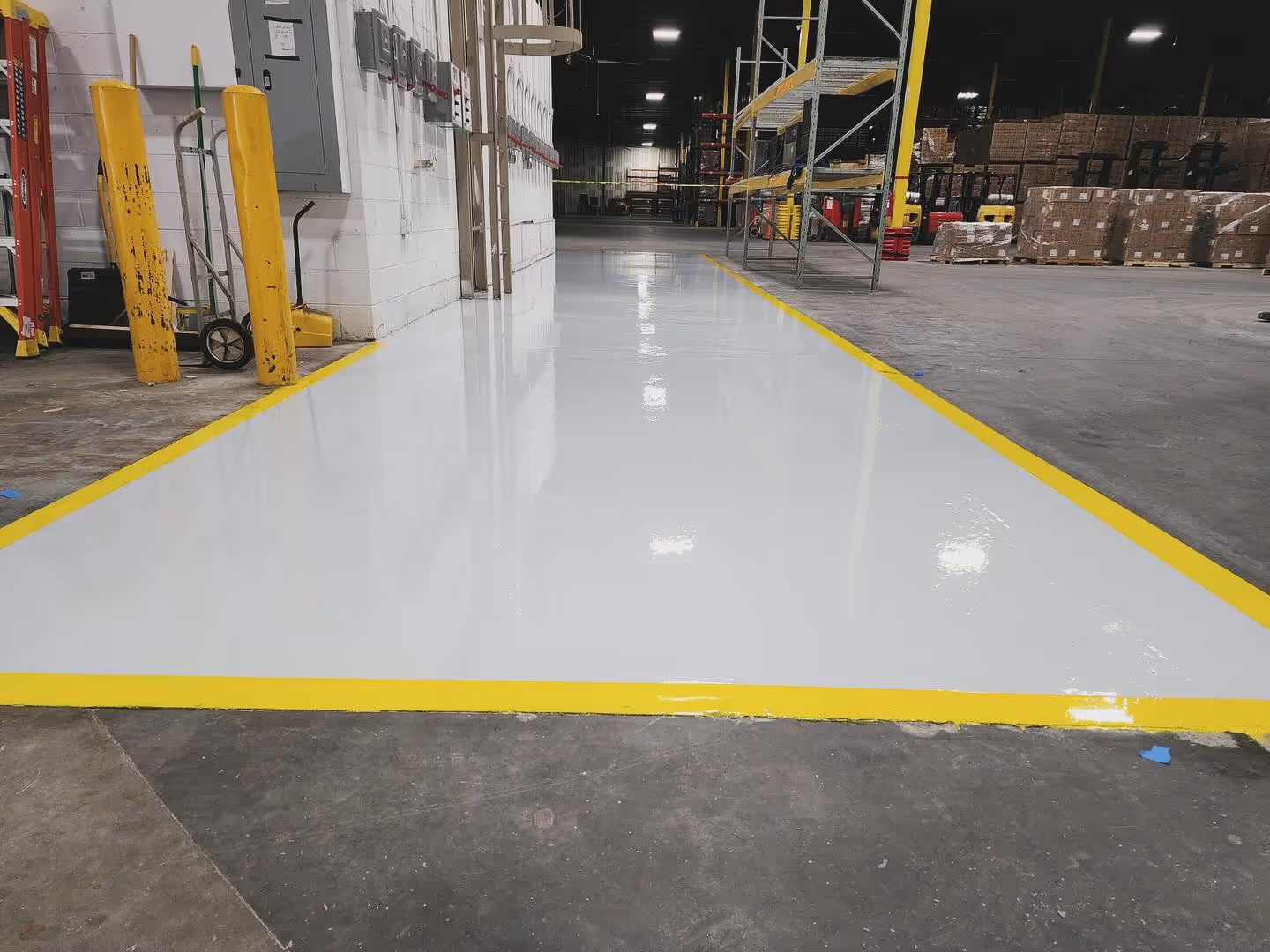
How we coat a working hangar, bay by bay
- Free on-site survey. Call (404) 480-0962 or request one online. We test the slab for moisture and fuel contamination and agree exactly what the deck has to resist.
- Bay plan and access windows. We work out which bays come offline when, and how long each one needs before an aircraft can come back in.
- Containment and mechanical preparation. The bay is contained, the slab is shot blasted to a clean profile, and spalling, cracks and jack pad damage are repaired.
- Coating build and cure. The specified system goes down in coats, with the wear layer and any static dissipative build applied to specification.
- Striping, inspection and handover. Layout striping, walkways and equipment positions are set out, then we walk the bay with your facilities lead before it returns to service.
Hangar floor coating in Marietta: common questions
How much does hangar floor coating cost in Marietta?
It depends on square footage, the system specified and the condition of the existing deck, so every hangar is surveyed and quoted for free. The biggest single variable is contamination. A slab that has absorbed fuel and oil for decades needs drawing out and mechanical preparation before anything will bond, and that is time rather than material. Striping, static dissipative build and grounding work are itemized separately so you can see what each element adds.
Will the coating resist jet fuel and hydraulic fluid?
Yes, provided the system is specified for it, which is the whole reason we survey first. General purpose epoxy softens and stains under prolonged fuel contact and aggressive hydraulic fluids. We use chemically resistant builds, and where solvents or de-icing fluid are routine we add a urethane wear layer over the epoxy so the surface keeps both its resistance and its color.
Can you provide a static dissipative floor?
Yes. For avionics shops, fueling positions and ordnance areas we install conductive systems tied into grounding points, so the floor holds resistance inside the specified range rather than depending on mats and straps. We agree the target range and the test method with you before installation, and hand over the readings on completion.
Can you work around an operational hangar?
That is the normal case rather than the exception. We phase the work bay by bay, contain each area so the rest of the hangar keeps operating, and work nights and weekends where the schedule demands it. Return to service times are agreed in writing before we start, and we specify faster curing builds where a bay simply cannot stay empty.