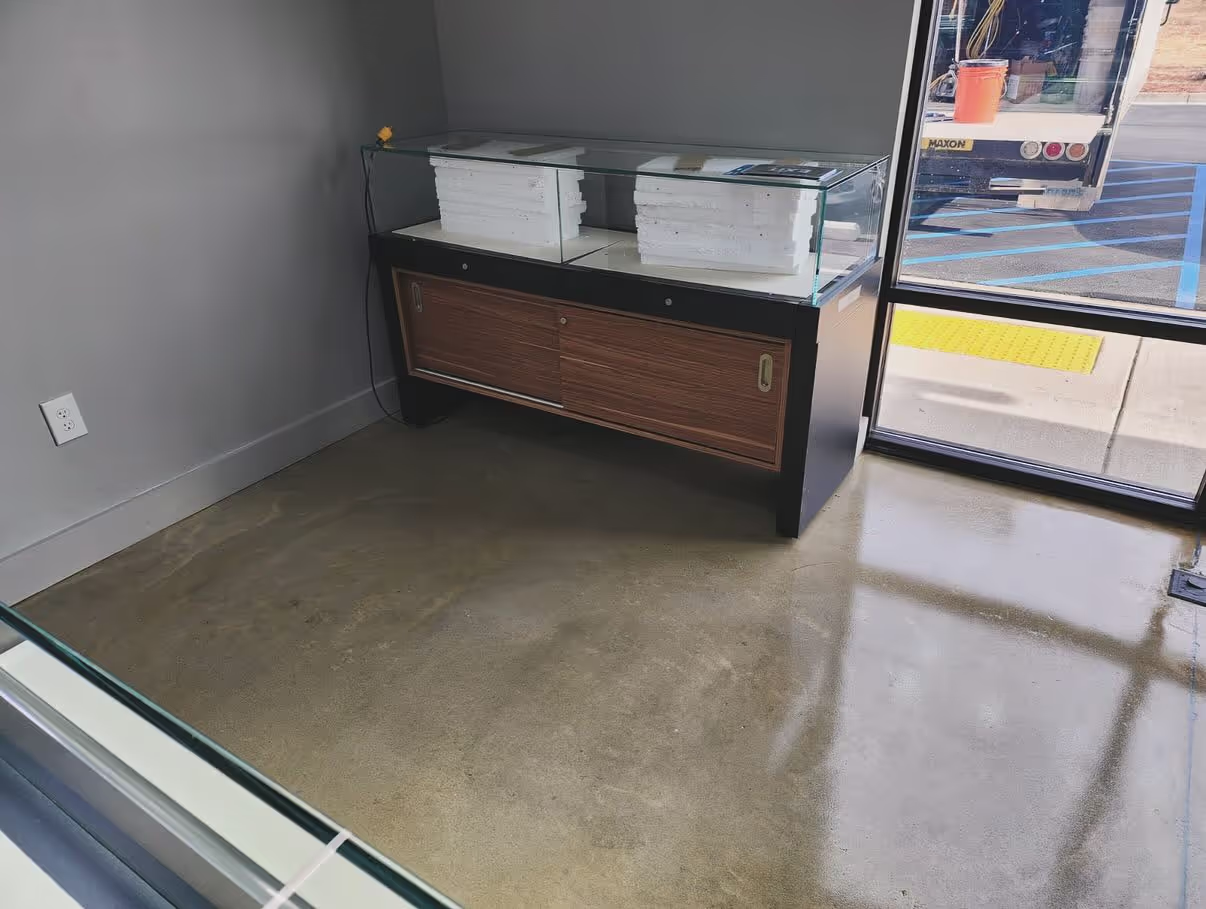
How we restore a floor around a business that stays open
- Free on-site survey. Call (404) 480-0962 or request one online. We look at what the floor takes day to day, test the surface and the slab, and check the areas that always go first.
- A written route, area by area. Entrances, open floor, back-of-house and wet areas rarely need the same answer, so each is quoted for the work it needs rather than at one rate across the building.
- Preparation before anything else. We grind, strip or scarify back to sound material, cut out spalled joints and failed patches, and fill cracks. Nothing new goes over a surface that cannot hold it.
- Worked to an agreed sequence. We move through the building in the order that keeps you trading, and you know before we start which area is out and when it comes back.
- Cure, check and hand back. We confirm the surface has cured before traffic returns to it, walk the floor with you, and point out the places that will show wear first.
Commercial floor restoration in Atlanta: what managers ask
How much does commercial floor restoration cost in Atlanta?
It is priced per square foot, and condition moves the number far more than size does. A sound floor that needs deep cleaning, a repair or two and a fresh seal sits at the low end. A floor that needs a failed coating taken off, spalled joints cut out and a new surface laid sits well above it, because most of that cost is preparation rather than material. Open floors cost less per square foot than the same area split into small rooms. We survey the building, quote each area for the work it needs, and itemize repairs and line marking separately. The survey and the quote are free.
Can you work around a business that stays open?
Usually yes, and it is how most of these projects run. We phase the work so one area is out at a time, or work evenings and weekends where the space cannot be released at all. Fast-curing systems help, because they let an area be handed back in hours rather than days. What we will not do is compress the preparation to fit a window, since preparation is what decides whether the new surface stays down. The sequence and the return-to-service times are agreed before anything starts.
Is it worth restoring, or should we replace the floor?
Replacement earns its cost when the slab itself has failed, when the level is wrong for what the space now does, or when the build-up has to change for a new use. Short of that, restoration is normally better value, because the concrete under a tired surface is usually sound and it is the top layer that has taken the punishment. We tell you which of the two you are looking at after the survey, including when the answer is that the floor needs replacing. Quoting a restoration on a slab that cannot hold one helps nobody.
How long does a restored floor last before it needs attention again?
That depends on the system and on what the floor takes, not on the day it was finished. A repolished concrete floor in an office holds its finish for years under routine cleaning, while the same finish in a delivery route behind a store wears visibly faster. Sealed and coated surfaces tell the same story: traffic type, entrance matting and cleaning chemistry decide the interval more than the product does. What we can do is specify for the traffic the space really sees, and tell you at handover which parts of the floor will show wear first.