What concrete resurfacing actually is
Resurfacing means bonding a new cement based layer over the slab you already have. The old concrete stays exactly where it is and becomes the base, and a polymer modified overlay goes over the top, anywhere from about the thickness of a credit card to a quarter of an inch depending on the system and the finish you choose.
That is the whole appeal. You get a new surface, a new color and a new texture without breaking out and hauling away the old slab, without the disruption of a full replacement, and without paying for new concrete, forms and reinforcement.
When resurfacing is the wrong answer
This is worth saying plainly, because not everyone will. An overlay resurfaces a slab, it does not repair one. The new layer follows the concrete underneath it, and whatever that concrete does over time, the overlay eventually does too. Resurfacing is the wrong call when:
- Sections of the slab have settled or heaved so they now sit at different heights. That is a soil problem under the concrete, and covering it over does not address it.
- There are active structural cracks, particularly ones still moving or showing a height difference from one side to the other. Those telegraph back through an overlay.
- The concrete is spalling badly and the surface is coming away in sheets. There is nothing sound left to bond to.
- Water is pooling on or running under the slab and nothing has been done about it. Water always finds the bond line eventually.
Static hairline cracks, surface crazing, pitting, discoloration, stains and a finish that simply looks dated are all exactly what resurfacing is for. When we look at a slab we will tell you which category yours falls into, and if the honest answer is replacement rather than an overlay, that is what you will hear. Where the real problem is level rather than appearance, floor leveling is a different job for a different fault.
The resurfacing process, step by step
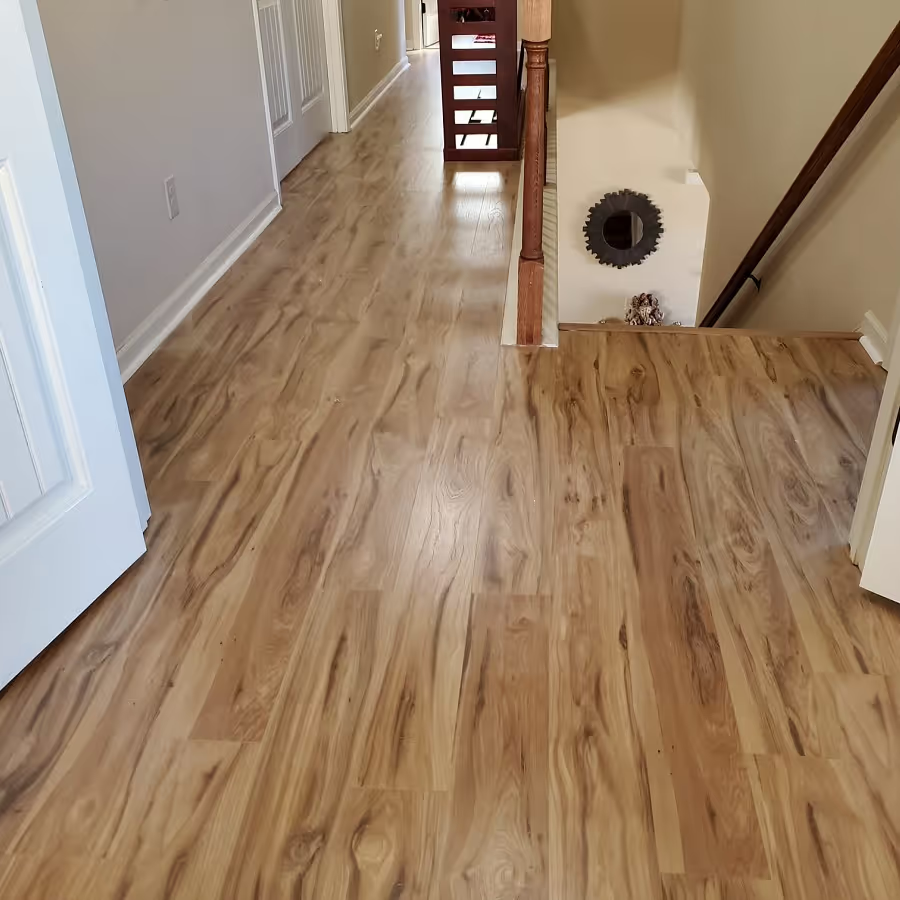
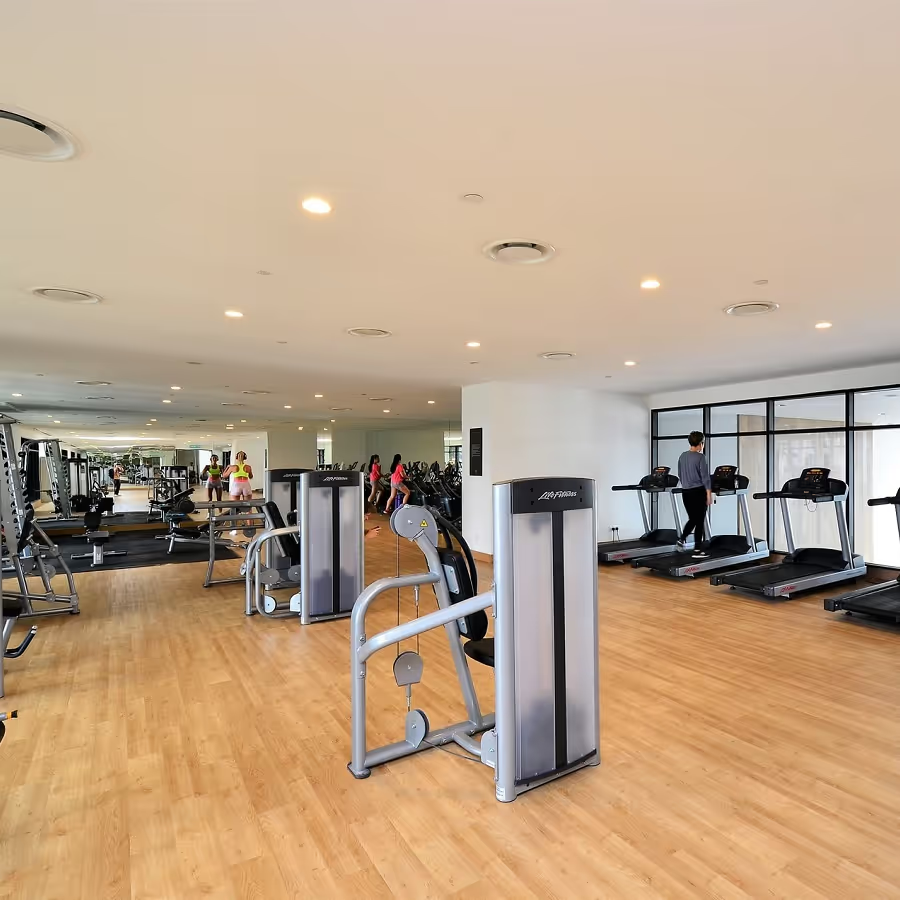
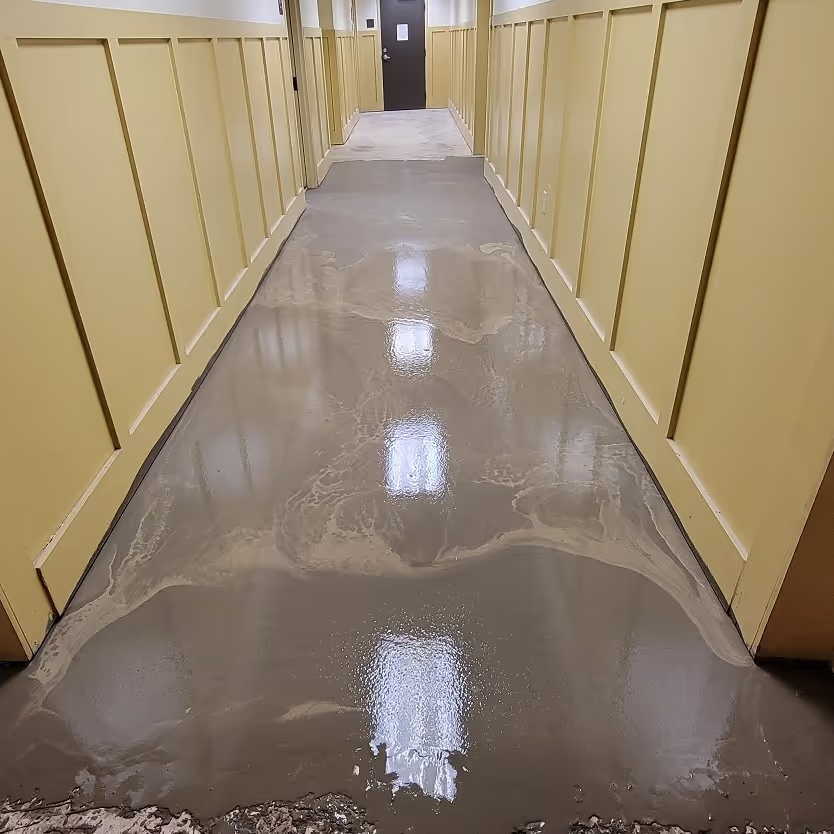
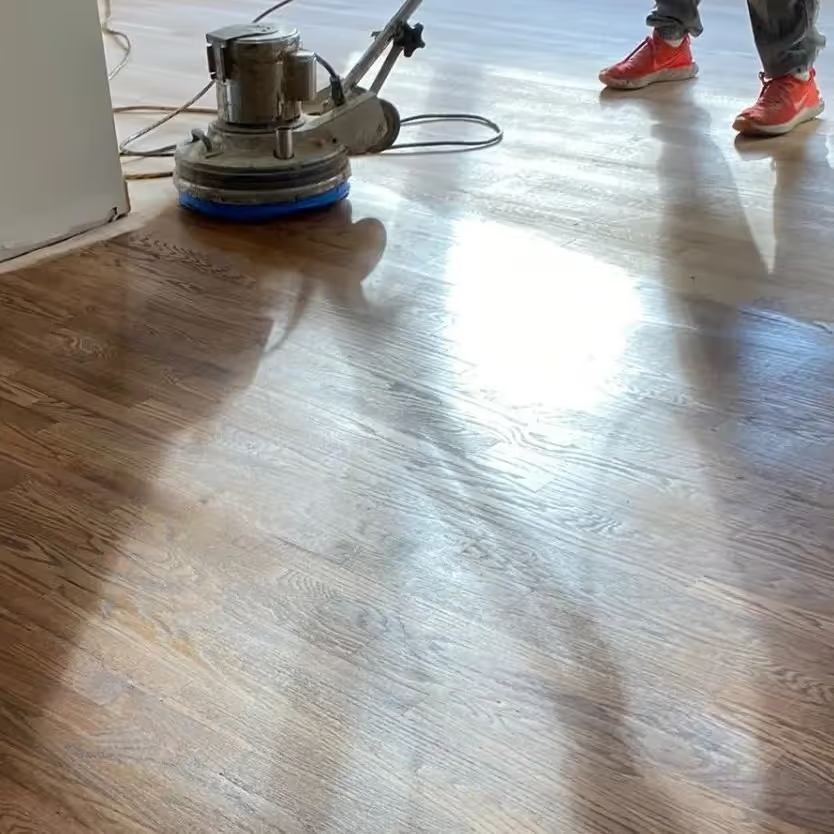
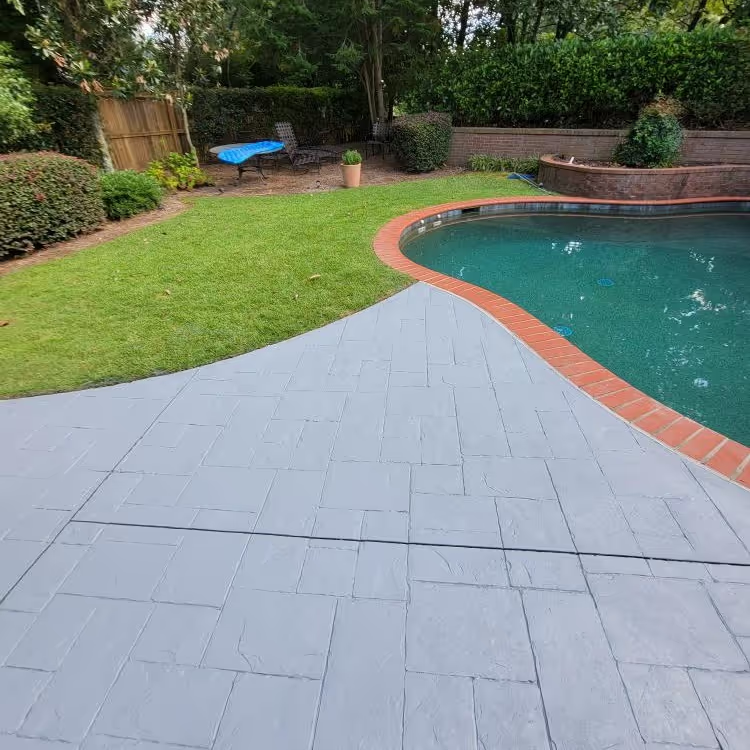
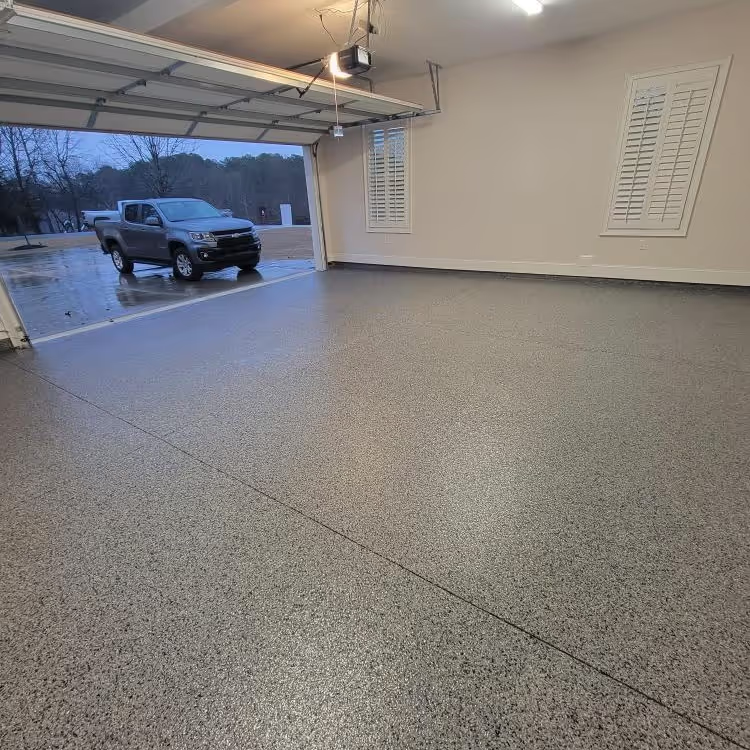
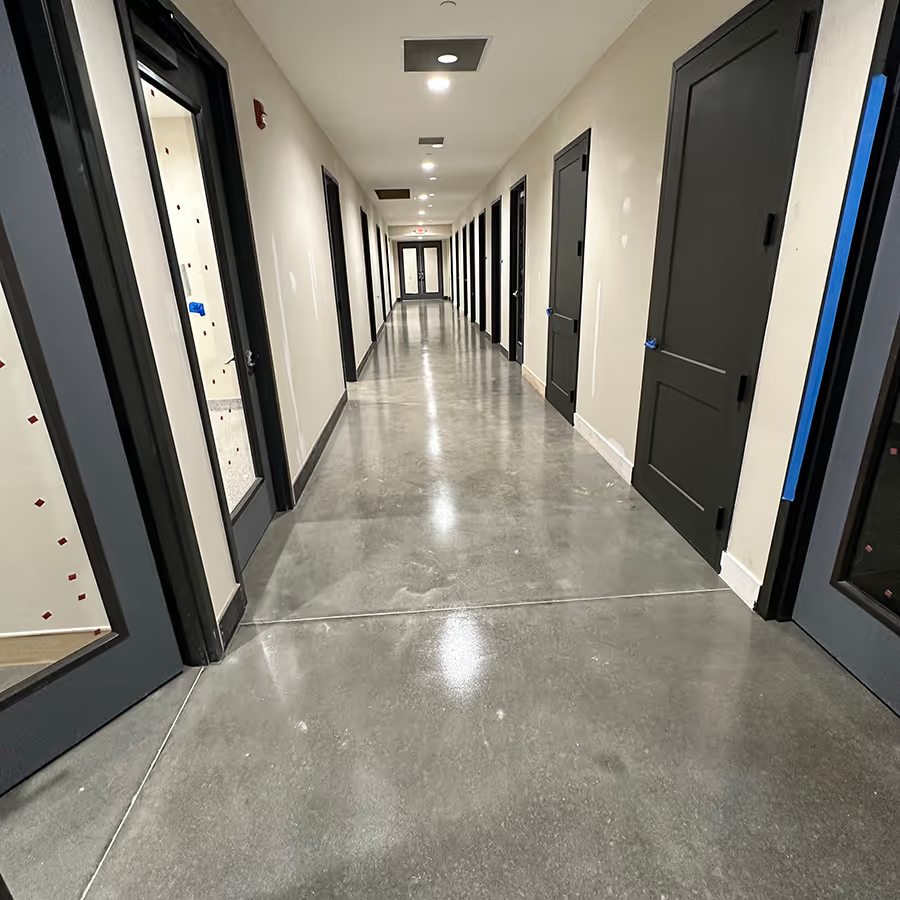
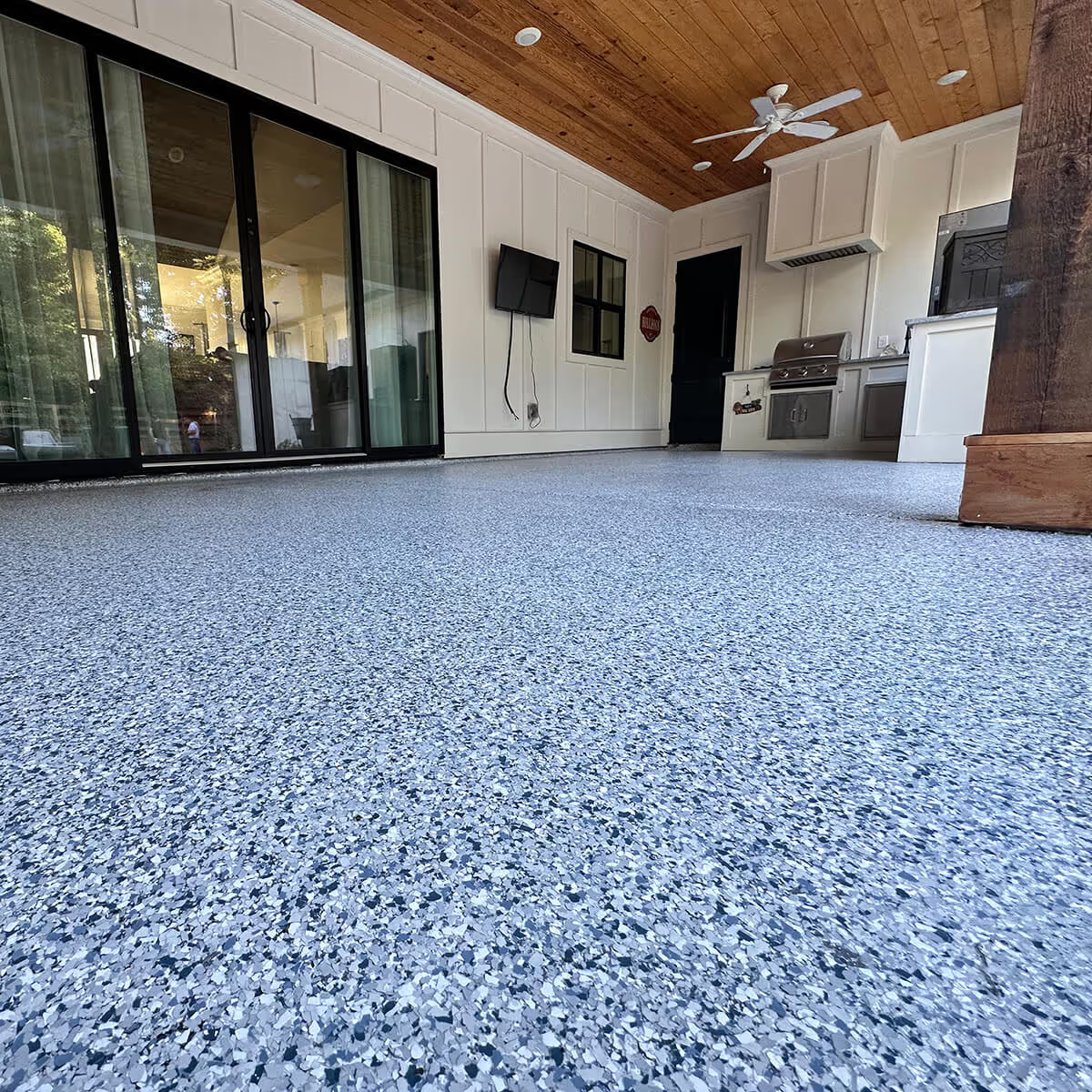
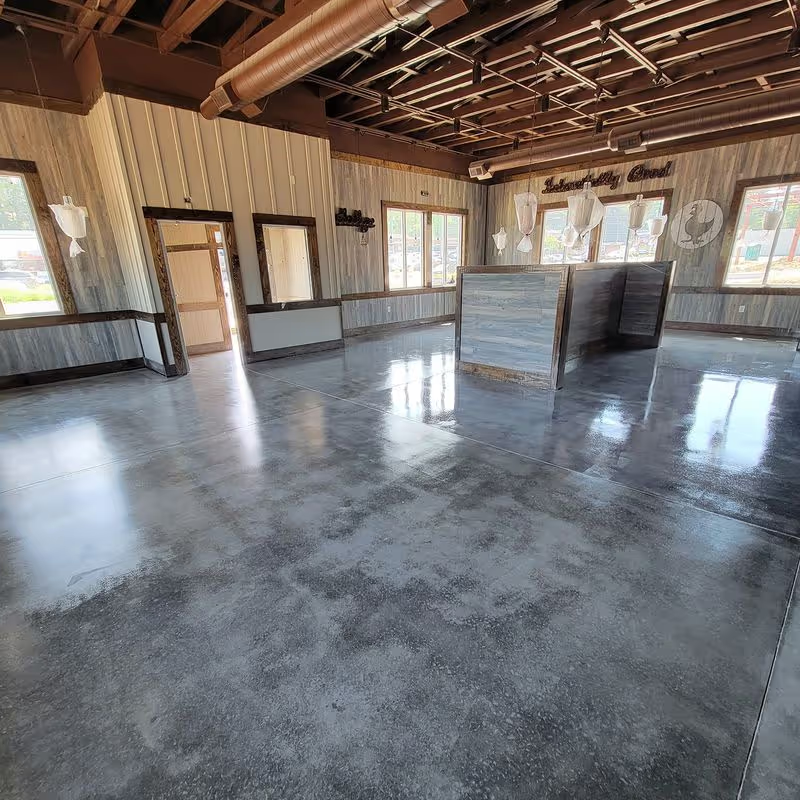
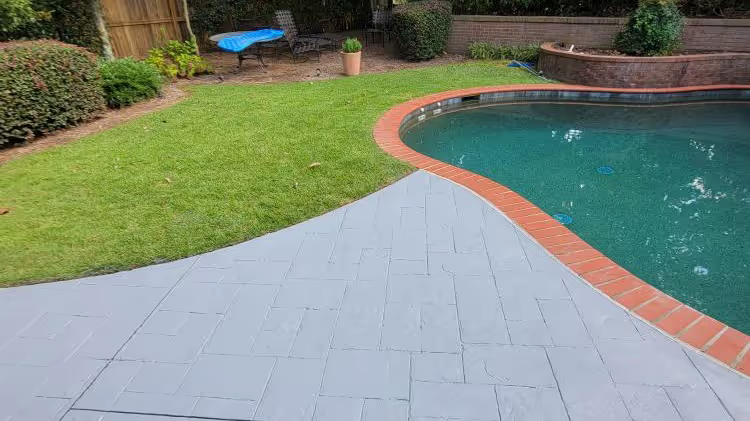
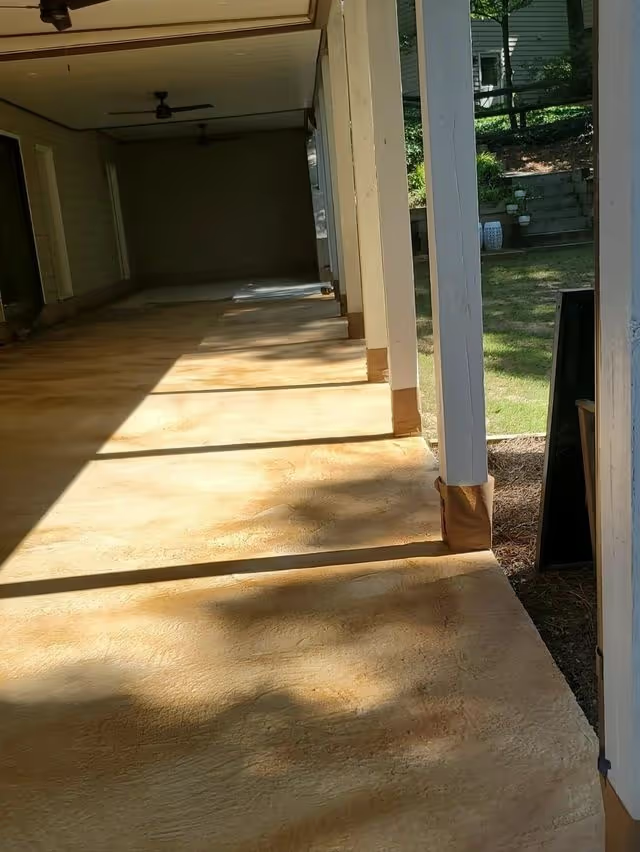
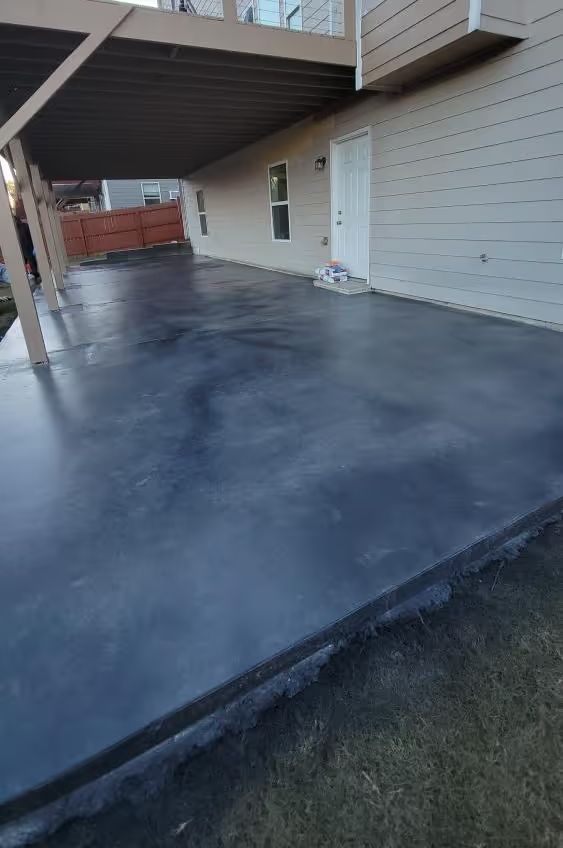
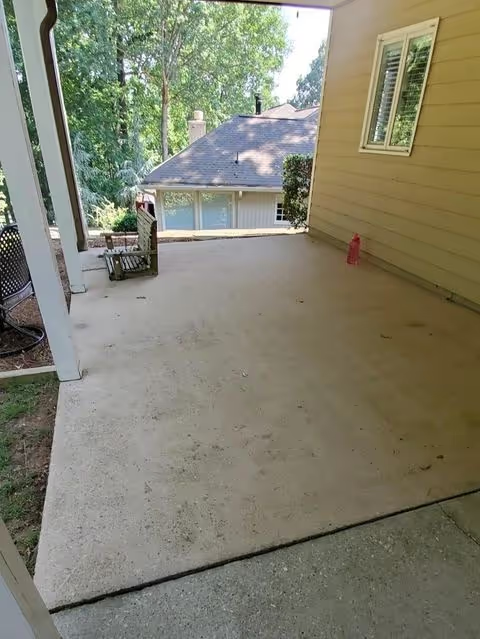
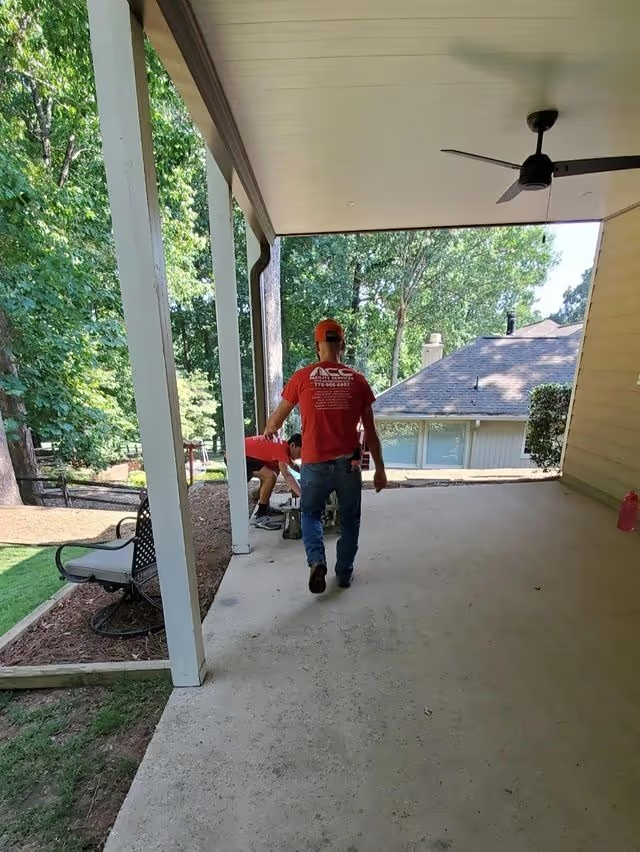
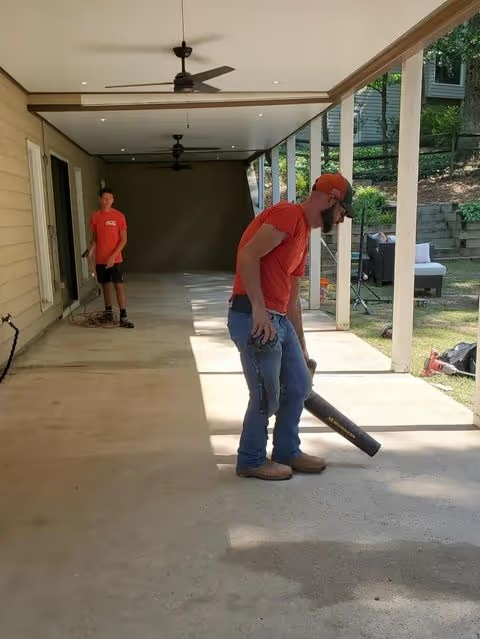
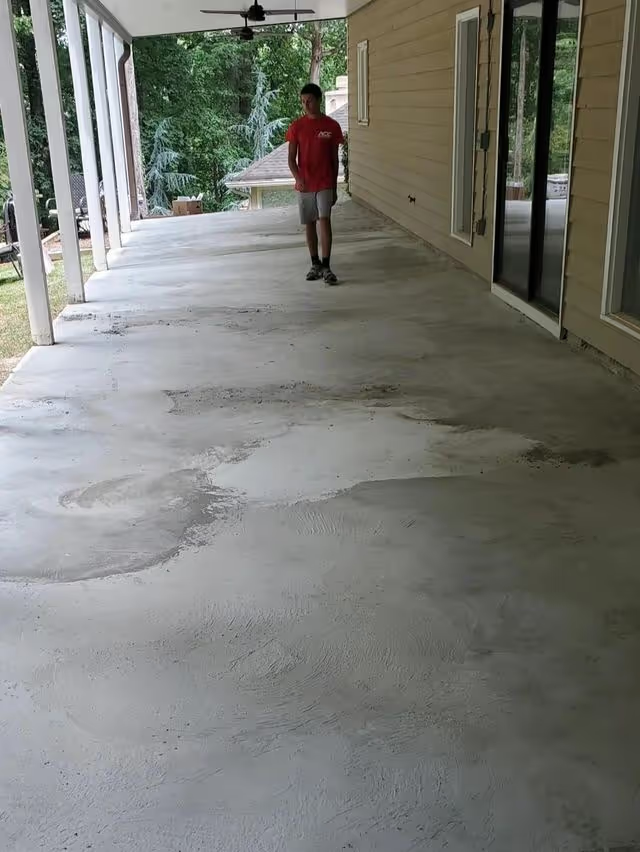
The photographs above show the stages. This is what is happening in each one.
- Assessment. The slab is walked and sounded for hollow areas, cracks are read for movement, and drainage is looked at before any of the rest is decided.
- Repair. Cracks are routed out and filled, spalled areas are cut back to sound concrete and patched, and low spots that hold water are addressed.
- Profiling. The surface is ground or shot blasted to open the pores. This is the step that decides whether the overlay stays stuck for years or lets go, and it is the one most often skimped on.
- Cleaning. Dust, oil and organic growth all break a bond. The slab is cleaned thoroughly and allowed to dry before anything is applied.
- Bond coat. A primer or slurry coat keys the new overlay to the prepared concrete.
- Overlay. The new surface goes on in one or more passes and is worked to whichever texture you have chosen.
- Color and sealer. Stain or integral color, then sealer. Outdoors the sealer is also the UV and stain protection, so it is doing real work rather than adding shine.
Finishes and textures to choose from
- Smooth trowel finish for covered porches, screened patios and interior slabs where slip resistance is not the main concern.
- Broom finish, the familiar light directional texture. Economical, practical, and grippy underfoot when it is wet.
- Spray texture and knockdown, sprayed on and then flattened to leave a subtly raised surface that sheds water and holds grip. This is the usual choice for driveways and for pool deck resurfacing.
- Stamped overlay, where patterns are pressed into the wet overlay to read as flagstone, slate, brick or tile, then colored in more than one tone so the result does not look flat and printed.
- Micro toppings for a smooth, seamless, modern surface, almost always indoors. If that is the look you are after, microcement and microtopping is the closer relative.
Acid stain and water based stain
Stain goes into the concrete rather than sitting on top of it. That is true of both kinds, but they behave very differently, and the choice between them decides what your slab can look like.
Acid stain is a chemical reaction. Metallic salts react with the lime in the concrete and become part of the surface, which is why the color comes out translucent, mottled and never completely uniform. The palette is limited to earth tones: tans, browns, rusts, soft greens and blue greens. No two slabs take it identically, and that variation is the point rather than a flaw.
Water based stains and dyes carry pigment into the pores instead of reacting with them. The color range is far wider, including the grays, charcoals and cooler tones acid stain simply cannot produce, and the result is more predictable and more even. That makes them the better choice when you need to match something else or want a consistent modern color.
Either way, the sealer over the top decides how the color finally reads, anywhere from a natural matte to a deep wet look. Colors are on the color chart, and a sample area on your own slab is the only reliable way to choose, because concrete takes color differently depending on how it was finished and how old it is.
What concrete resurfacing costs in Atlanta
Preparation and repair move the number far more than square footage does. What drives it:
- Slab condition. Crack repair, patching spalled areas and correcting low spots are usually the largest single variable on the quote.
- The finish. A broom finish overlay is the most economical. Stamped and multi tone work is hand work and is priced accordingly.
- Color. Integral color, a single stain, or a layered effect in several tones are three quite different amounts of labor.
- Area, layout and access. Large open driveways run efficiently. Steps, edges, tight courtyards and fenced back yards do not.
- Drainage corrections, where standing water is part of why the slab failed in the first place.
- Sealer. Exterior sealers vary in cost and in how often they want renewing.
We do not publish a price per square foot, because on a slab nobody has looked at yet that number would be wrong. What you get instead is a free on-site visit and an itemized quote, with the repair work priced separately from the resurfacing so you can see exactly what each part costs. Call (404) 480-0962 or use the quote form on this page.






.avif)