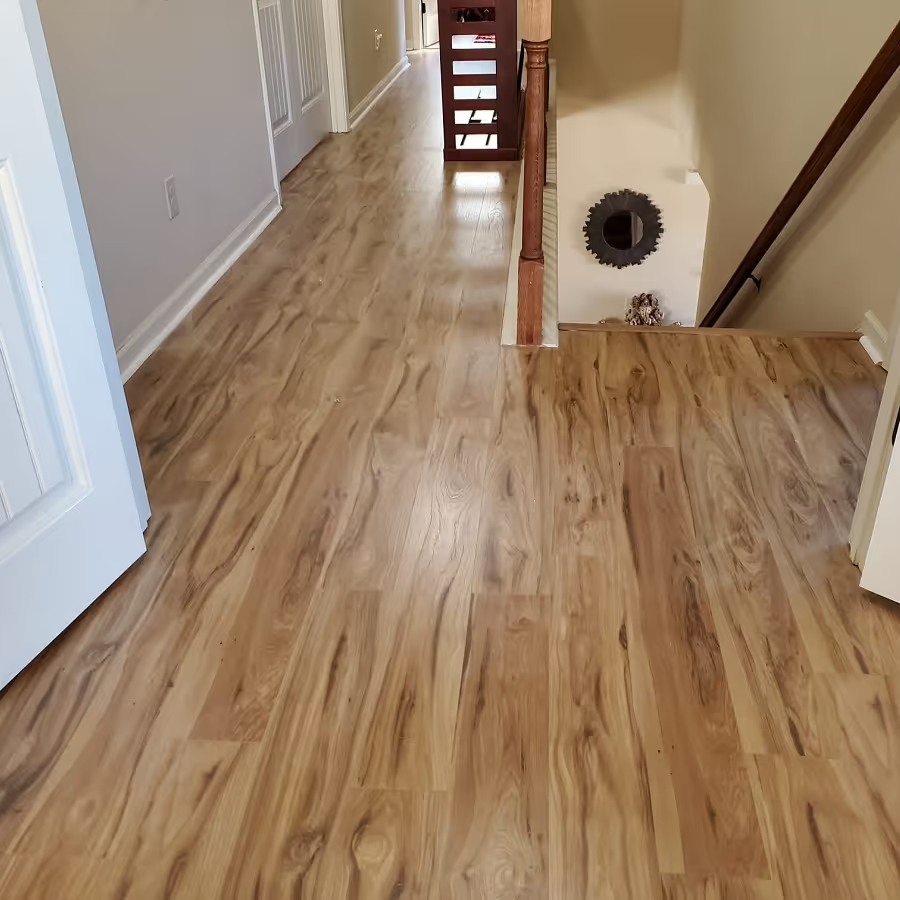
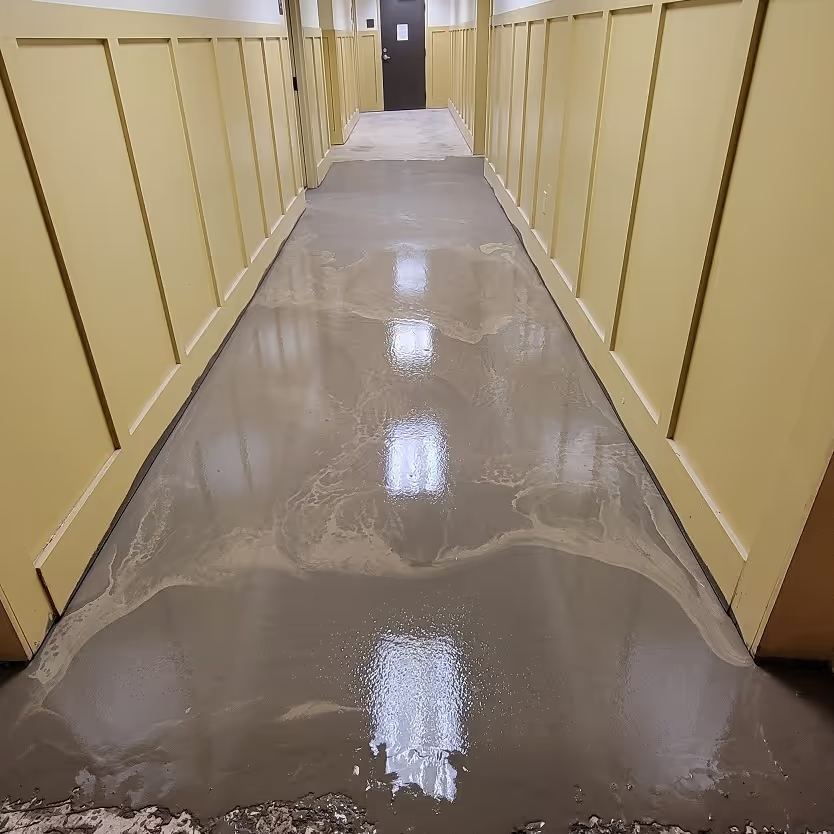
What happens during a hardwood floor refinishing
Refinishing is a sequence, and most of the final result is decided before any finish goes down. This is the order the work runs in.
- Assessment. Board thickness, how much wear layer is left, cupping or crowning across the room, and whether any boards move underfoot. Engineered floors get measured carefully, because a thin wear layer may only take one sanding.
- Preparation. Furniture out, shoe molding lifted where it has to come up, vents covered, and the doorways closed off so dust stays in the work area.
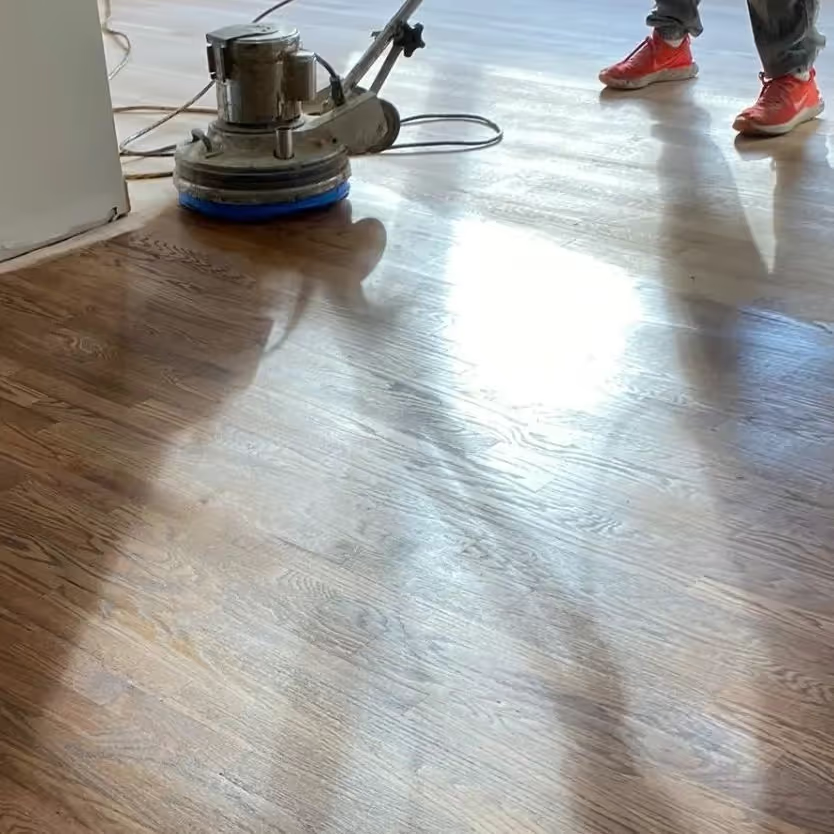
- Coarse sanding. The first pass strips the old finish and flattens the floor. On a floor with deep scratches, old adhesive or a failed coating, this pass does most of the real work.
- Fine sanding and edging. Each finer grit removes the marks left by the grit before it. Edgers and corner tools reach what the large machine cannot, and the floor is then buffed so the edges and the field take stain the same way.
- Vacuum and tack. Dust left sitting in the grain will show through the finish, so the floor is vacuumed, wiped and checked in raking light before anything is applied.
- Stain and finish. Stain first if the color is changing, then a sealer, then coats of finish with a light abrasion between them.
Choosing a color and a sheen
Two decisions change the look of a finished floor more than anything else, and both are easier to make on the floor itself than from a sample board. Stain reacts to the species underneath it. Red oak carries warm pink and orange undertones that push through a gray or a cool brown. White oak takes those same colors far more cleanly. Heart pine, common in older homes inside the perimeter, is already amber and tends to fight a light stain.
Stain samples are worth judging on your own sanded floor, in the room's own light, before anything is committed to. A color that reads well in a hallway can look completely different in a south facing living room at four in the afternoon.
Sheen is the second decision, and it is practical as much as aesthetic. Matte and satin scatter light, so they hide footprints, dust and fine scratches, which is why they suit houses with dogs and children. Semi gloss and gloss reflect more light and make a floor look formal, but every scuff and every speck of dust shows on them. Satin is where most refinished floors land.
Oil based and water based finishes
Both are polyurethane and both are durable. The differences that actually affect your decision are color, odor and time.
- Oil based finish adds a warm amber tone that deepens as it ages, levels well, and is forgiving to apply. It carries a strong smell while it cures and needs longer between coats.
- Water based finish dries clear, so a gray, a light natural or a white wash stays the color you picked instead of warming up. It has far less odor and recoats faster, which shortens the time the room is out of use.
If you want the traditional look of an older oak floor, oil based gets you there. If you have chosen a light or a cool color, or somebody in the house is sensitive to fumes, water based is usually the better answer.
Screen and recoat, or a full sand
Not every tired floor needs to go back to bare wood. Where the finish is worn but the wood under it is not stained or gouged, a screen and recoat abrades the existing finish and lays a fresh coat over the top. It is quicker, cheaper and much less disruptive than a full sand.
A full sand is the right call when there is water staining, pet damage that has gone through the finish into the wood, deep gouging, cupping, or a color change. It is also the only way to correct a previous refinish that left the floor uneven or splotchy.
One limit is worth knowing before you decide. A solid three quarter inch floor can usually be sanded several times across its life. An engineered floor has only its wear layer, and a thin one may have a single sanding in it or none at all. That gets measured rather than guessed, because a floor sanded past its wear layer cannot be brought back, and the only option left is new hardwood flooring or a vinyl plank replacement.
What hardwood refinishing costs
Condition drives the number far more than square footage does. The things that move it:
- How much sanding the floor needs. A lightly worn floor that only wants a screen and recoat costs a fraction of a full sand.
- The species and the finish already on the floor. Some old finishes load up abrasives quickly, and abrasives are a real line on the job.
- Repairs. Replacing damaged boards, weaving new wood in so the repair disappears, and re-securing loose boards all add time.
- A color change. Stain adds a step and a drying day on top of the finish coats.
- Layout. Open floors run faster than small rooms, closets and tight hallways.
- Stairs. Treads and risers are hand work and are quoted separately from the field.
We do not publish a price per square foot, because on a floor nobody has looked at yet that number would be wrong. What you get instead is a free on-site visit and an itemized quote, with repairs and preparation priced separately so you can see what each part of the job costs. Call (404) 480-0962 or use the quote form on this page.






.avif)