How we spec a commercial floor to its traffic
- Free on-site quote. Call (404) 480-0962 or request one online. We walk the floor, check moisture, and spec the system to your traffic.
- Grinding and degreasing. Diamond grinding removes old coatings and opens the slab; oil-soaked areas are treated so the epoxy can bond.
- Repair and patching. Cracks, spalls, and worn joints are filled and leveled before coating.
- Base coat and broadcast. The epoxy build goes down to spec, with quartz or flake broadcast where the floor needs texture.
- Topcoat, striping, and cure. A chemical-resistant topcoat seals the system, line striping goes on last, and the floor returns to service on a schedule we agree up front.
Norcross commercial epoxy: common questions
How much does commercial epoxy flooring cost in Norcross?
Commercial pricing is driven by square footage, slab condition, and the system build, so we quote every Norcross floor individually and for free. Large continuous areas bring the per-square-foot rate down, while heavy repair, oil contamination, or old coating removal adds prep. The quote is itemized, so you see exactly where the cost sits before work starts.
Can you install without shutting down our operation?
In most cases, yes. We coat Norcross facilities in phases, work nights and weekends, and sequence drive lanes so material keeps moving. Fast-cure topcoats can return a section to foot traffic overnight. We build the phasing plan into the quote so operations and the floor schedule are agreed before the first grinder starts.
Will forklift traffic damage the coating?
Not when the system is built for it. Forklift lanes get a thicker, high-solids build over mechanically ground concrete, which handles the wheel loads and turning forces that shred thin paint-grade coatings. Where steel-wheeled equipment or extreme impact is involved, we spec accordingly or tell you plainly if epoxy is the wrong tool.
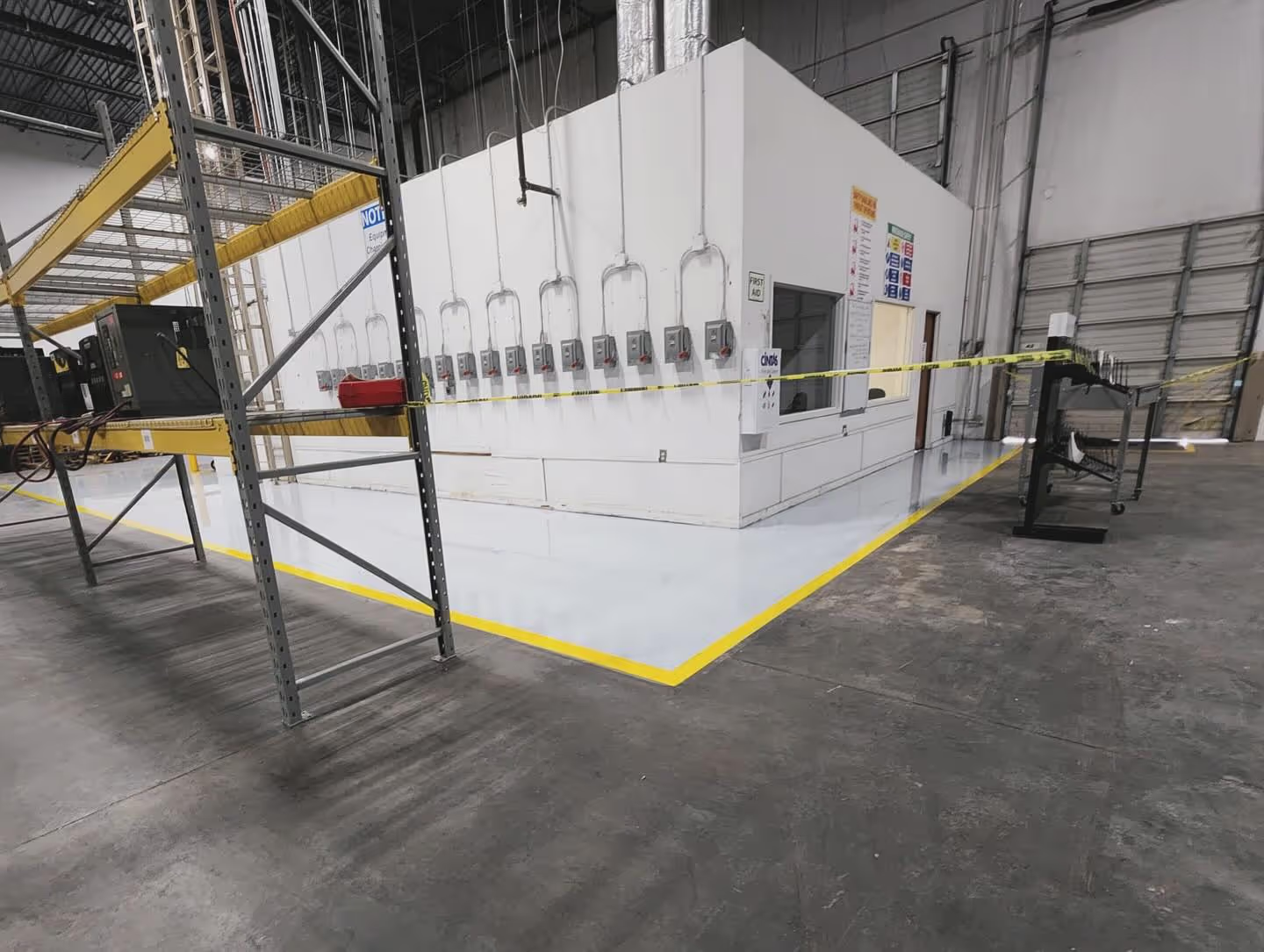
Can you add safety line striping and zone markings?
Yes, and it is better done as part of the floor than after it. Aisles, pedestrian walkways, forklift lanes, and hazard zones are striped in durable coating colors and locked under the topcoat where the spec allows. Lines installed this way do not scrub off with traffic and cleaning the way tape or paint does.